


China Best Acid Dye Manufacturers for Global Buyers
China’s acid dye manufacturers serve buyers working with wool, silk, nylon, and other protein or polyamide fibers. Product choice depends on more than shade cards. Buyers also assess solubility, color strength, leveling behavior, batch consistency, and performance under their own dyeing conditions. Textile Exchange’s Materials Market Report 2024 estimates that global fiber production reached 124 million tonnes in 2023, up from 116 million tonnes in 2022. That figure describes fiber production, not acid dye sales, but it signals the scale of the textile supply chain. The distinction matters. Large demand does not guarantee reliable supply.
For global buyers, a useful supplier review goes beyond price and sample approval. Ask for technical data sheets, safety data sheets, batch traceability, and test results relevant to the intended fiber and process. Compare colorfastness using recognized methods, such as applicable ISO 105 tests, and verify chemical management against the requirements of your own markets and customers. A vivid lab swatch may still shift on a production line. It happens. This guide examines China’s acid dye manufacturers through practical sourcing criteria, including product range, quality controls, documentation, customization, and communication. Public claims can be difficult to verify, and supplier capabilities change; buyers should confirm details directly and test representative samples before placing large orders.
What Acid Dyes Are and Which Industries Use Them
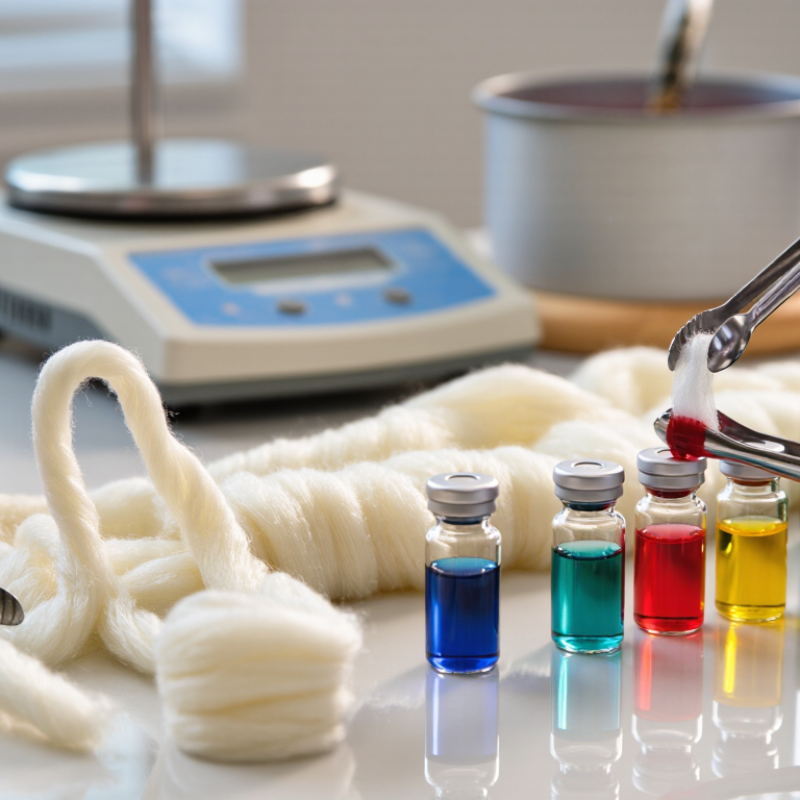
Acid dyes are water-soluble colorants that carry a negative charge. They are commonly applied in an acidic dye bath, where dye molecules bond with positively charged sites in suitable fibers. Wool and silk are important examples; nylon can also be dyed with acid dyes. Bath pH, temperature, and timing affect shade development and evenness. Small changes matter. A process that works for wool may not transfer directly to nylon.
These dyes serve textile manufacturers producing garments, carpets, upholstery, hosiery, and other products made from protein or polyamide fibers. Carpet makers may prioritize depth and resistance to wear, while apparel producers often focus on shade consistency and washing performance. Different acid dye types offer different levels of leveling and fastness, so selection depends on the fiber and the finished item’s use. Buyers should review technical data and test samples under their own processing conditions. A shade card can be misleading under factory lighting, and a small trial may still miss production-scale issues. That uncertainty deserves attention.
China Best Acid Dye Manufacturers for Global Buyers - What Acid Dyes Are and Which Industries Use Them
| Topic | What It Means | Typical Materials or Uses | What Global Buyers Should Check |
|---|---|---|---|
| Acid dyes | Water-soluble anionic dyes commonly applied from an acidic dye bath. Dye uptake depends on the fiber, dye structure, bath conditions, and auxiliaries. | Primarily wool, silk, and nylon; some acid dyes are also used for leather and other specialized applications. | Confirm that the product is suitable for the intended fiber, shade, process, and required fastness. Do not assume one grade works equally well on every substrate. |
| Wool and wool blends | Acid dyes can bond with suitable sites in wool fibers. Dyeing conditions are selected to balance shade depth, levelness, and protection of the fiber. | Apparel, knitwear, carpets, rugs, blankets, and upholstery fabrics. | Request application guidance for the wool type and blend. Evaluate shade consistency, levelness, washing fastness, and light fastness on the actual fabric. |
| Silk | Acid dyes are used to produce a broad range of shades on silk. The process should be matched to the silk article and its handling requirements. | Garments, scarves, linings, decorative textiles, and silk accessories. | Check compatibility with the silk quality and finishing process. Test the finished article for shade change, staining, and handling-related effects. |
| Nylon (polyamide) | Acid dyes are widely used for nylon because the fiber can provide sites for anionic dye uptake. Different nylon types and constructions may dye differently. | Hosiery, sportswear, swimwear, carpets, upholstery, and technical textiles. | Verify suitability for the specific nylon type and fabric construction. Check levelness, migration, shade reproducibility, and relevant end-use fastness. |
| Leveling acid dyes | Designed to support even dyeing and shade control under appropriate process conditions; the achievable result depends on the substrate and recipe. | Wool, silk, and nylon articles where a uniform appearance is important. | Ask for recommended pH, temperature profile, and compatibility guidance. Run a production-representative trial before approval. |
| Milling acid dyes | A class commonly selected when improved wet fastness is needed compared with many leveling dyes. Performance varies by dye and substrate. | Wool and nylon textiles requiring stronger resistance to washing or wet processing. | Review test results for the intended shade and material; fastness is not guaranteed by dye class alone. |
| Metal-complex acid dyes | Acid dyes containing a metal complex, often selected for deep shades and particular fastness requirements. Suitability depends on the specific product and regulations. | Wool, nylon, carpets, and other applications where the required shade and performance align with the grade. | Request composition and regulatory documentation, including information relevant to the destination market and the product’s intended use. |
| Carpet and floor-covering production | Coloration requirements can include shade uniformity across production lots and resistance to the cleaning or use conditions relevant to the product. | Wool or nylon carpets, rugs, and other floor coverings. | Test the dyed fiber or carpet using the buyer’s specified methods and end-use criteria. Consider pile construction, backing, and cleaning requirements. |
| Quality and fastness testing | Test methods help assess properties such as washing, rubbing, or light fastness. The appropriate method depends on the material and buyer specification. | Textile and carpet applications across apparel, home furnishings, and technical products. | Agree on test methods and acceptance criteria before ordering. Examples include ISO 105-C06 for washing, ISO 105-X12 for rubbing, and ISO 105-B02 for light fastness. |
| Supplier qualification | A structured review of product consistency, technical support, documentation, and supply capability—without relying on a product description alone. | Buyers sourcing acid dyes for mills, dyehouses, carpet producers, and textile converters. | Request a technical data sheet, safety data sheet, batch traceability details, recommended application conditions, sample material, and relevant compliance documents. |