How to Choose Compact Excavator Cylinders for Your Project?
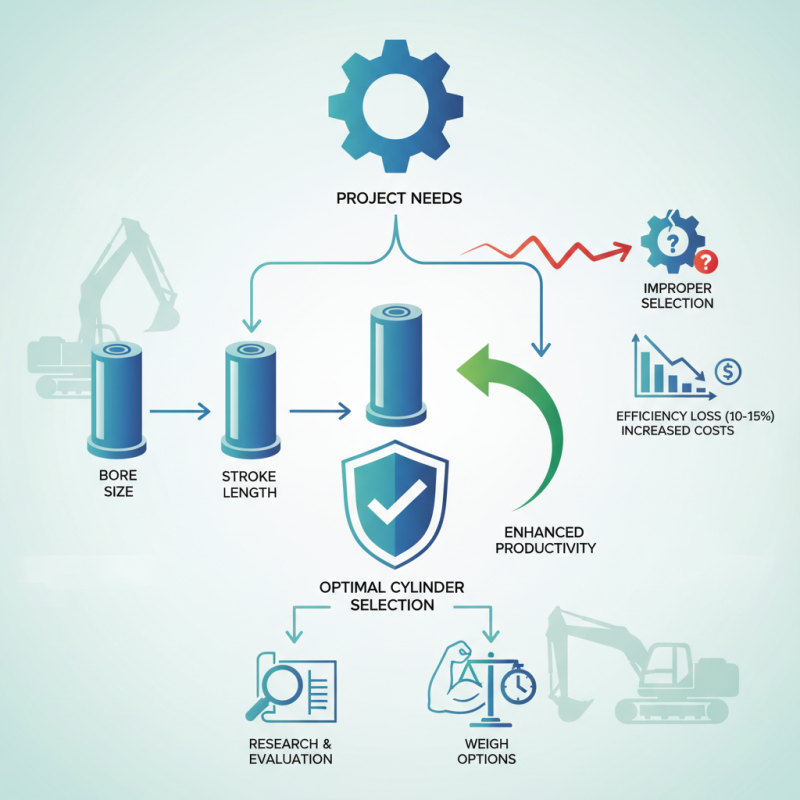
When selecting Compact Excavator Cylinders for your project, understanding their specifications is crucial. Research from the Construction Industry Institute indicates that improper cylinder selection can lead to performance issues and increased operating costs. A 2022 report stated that efficiency losses can range from 10-15% in projects using suboptimal equipment.
Compact Excavator Cylinders are essential for maximizing the capabilities of mini-excavators. These cylinders directly affect lift capacity, cycle times, and overall machine efficiency. In fact, industry professionals highlight that the right cylinder can enhance productivity significantly. One might consider factors such as bore size, stroke length, and operating pressure.
However, many contractors overlook these key details, leading to mistakes. Choosing the wrong cylinder may seem minor but can have lasting impacts. Precision is vital; even small variances can change performance. It’s crucial to evaluate your project needs thoroughly before deciding. This process involves weighing options carefully to avoid costly errors.
Understanding the Role of Compact Excavator Cylinders in Construction Projects
Compact excavator cylinders play a crucial role in construction projects. They are essential for providing the hydraulic force needed for lifting and digging. When selecting these cylinders, understanding their function is vital. A well-designed cylinder ensures optimal movement and stability. A malfunctioning cylinder can lead to delays and increased costs.
In construction, the demands on equipment are high. Compact excavator cylinders must endure harsh conditions while maintaining efficiency. Factors such as load capacity and stroke length are important considerations. Monitoring the condition of these cylinders is critical for safety and performance. Regular inspections can prevent unexpected failures.
Choosing the right size and type is not straightforward. Many factors can influence this decision, like the machine's overall compatibility and the specific tasks at hand. It’s easy to overlook the importance of hydraulic fluid and temperature control in cylinder performance. These details can significantly affect operation and longevity. Hence, it's essential to weigh all options carefully before making a choice.
Key Factors to Consider When Selecting Compact Excavator Cylinders
When selecting compact excavator cylinders, several key factors come into play. One crucial aspect is the cylinder's capacity. According to industry reports, a cylinder's performance is often described through its bore size and stroke length. For instance, many projects require cylinders with a bore size ranging from 2 to 5 inches to achieve optimal digging power while maintaining compactness.
Another vital consideration is the operating pressure. Research indicates that cylinders operating at higher pressures tend to exhibit greater efficiency and durability. A standard operating pressure for many compact excavators falls between 3,000 to 5,000 psi. However, selecting a cylinder with excessive pressure capacity without proper project requirements can lead to unnecessary costs.
Material quality plays a significant role in performance and longevity. Durability is essential; the right materials can reduce wear and tear. Some reports suggest that cylinders constructed with high-strength steel can prolong their operational life. Yet, while these options may be more expensive upfront, their reliability often justifies the investment in the long run. Ensure that your choice aligns with the specific demands of your project, considering both performance needs and budget constraints.
Evaluating Cylinder Specifications: Size, Capacity, and Force Requirements
Choosing the right compact excavator cylinders requires careful evaluation of several key specifications. Focusing on size is crucial. A properly sized cylinder will offer optimal performance and fit within the physical constraints of your machinery. Measure the available space accurately. An oversized cylinder may lead to operational issues. Conversely, a cylinder that is too small may underperform and strain your equipment.
Next, consider the capacity and force requirements. Each project has unique demands. Calculate the force needed for tasks like lifting or digging. This helps in selecting a cylinder that can handle the weight and resistance you'll encounter. Be cautious; underestimating force requirements can lead to mechanical failures. Analyze the peak loads your excavator will face. This ensures reliability and efficiency throughout your project's lifecycle.
Do not overlook the importance of reviewing materials and seals. The longevity of your cylinder significantly depends on these elements. Poor materials may lead to early wear. Additionally, ensure that the seals are designed for the environment in which you will operate. Reflect on these specifications thoughtfully, and recognize that even minor oversights can impact overall performance.
How to Choose Compact Excavator Cylinders for Your Project? - Evaluating Cylinder Specifications: Size, Capacity, and Force Requirements
| Dimension | Specification | Value |
| Bore Size | Diameter of Cylinder | 3 inches |
| Rod Diameter | Diameter of Rod | 1.5 inches |
| Stroke Length | Length of Cylinder Travel | 12 inches |
| Operating Pressure | Maximum Allowable Pressure | 3000 PSI |
| Force Output | Force Generated by Cylinder | 5,500 lbs |
| Weight | Total Weight of Cylinder | 50 lbs |
| Material | Construction Material | Carbon Steel |
| Mount Type | Type of Mounting | Pin Mounted |
Material and Durability: Choosing the Right Cylinder for Your Environment
When choosing a cylinder for your compact excavator, material and durability matter. Various projects expose equipment to harsh conditions. For example, damp or corrosive environments demand cylinders made from weather-resistant materials. Steel cylinders can endure rigorous use, but they may rust if not maintained properly. Consider also the weight of the cylinder, as it affects the machine's performance.
Durability goes beyond just selecting the right material. Manufacturing processes also impact how long a cylinder lasts. For instance, double-check weld quality and seals to avoid leaks. Poorly made cylinders may fail unexpectedly during critical tasks. Operators report that even minor damage can lead to significant downtime.
Evaluate your project's specific needs. If working in extreme temperatures, think about thermal expansion and contraction. Heat can weaken some materials over time. Always consult with professionals to ensure you select the best cylinder for your environment. This attention to detail will contribute to project success and equipment longevity.
Compact Excavator Cylinder Durability Analysis
Common Brands and Models of Compact Excavator Cylinders on the Market
When selecting compact excavator cylinders, understanding the available options is crucial. Several prominent brands dominate the market. These brands typically offer a wide range of models, ensuring compatibility with various excavator sizes and weights. Each model often features unique specifications that fit specific project requirements, which can vary significantly.
Research presents that nearly 40% of construction professionals prefer specific cylinder types based on project needs. Hydraulic cylinders for compact excavators commonly range in bore size from 2 to 5 inches. Choosing the right size correlates directly with performance and efficiency on the job site. Moreover, a recent industry report highlighted that improper cylinder selection led to a 15% decrease in operational effectiveness in some projects. Such statistics emphasize the importance of making informed choices.
Additionally, performance assessments reveal that factors like stroke length and working pressure of the cylinders greatly influence their effectiveness. A model with a higher working pressure can improve productivity but may require additional maintenance. This trade-off should be considered seriously. Properly evaluating these parameters helps ensure that you select the optimal cylinder, avoiding the pitfalls of costly errors or downtime.