How to Choose the Best Tablet Manufacturing Machine

Choosing a tablet manufacturing machine is not simply a matter of comparing quoted output rates. A press may look suitable on paper, yet perform differently with a specific powder blend, tablet shape, or production schedule. Small details matter. Feeder design, turret speed, compression force range, and tooling format can affect consistency and changeover time. Before reviewing models, define expected batch sizes, target output, tablet dimensions, and operating hours. These details help separate useful capacity from a headline number.

A sound evaluation also considers cleaning access, operator controls, dust management, documentation, and qualified service availability. Ask suppliers for technical specifications and, where practical, a demonstration using representative materials. Check how the machine records settings and alarms, and whether its design supports the site’s cleaning and maintenance procedures. Engineering and quality teams should assess suitability for the intended process; no brochure can replace that review. Be cautious with claims of universal performance. They rarely tell the whole story. Even experienced buyers can overlook a narrow operating range or a difficult tool change. That is worth admitting. The best choice is usually the machine that reliably meets real process needs, not the one with the most features. This guide outlines practical questions for comparing equipment, understanding trade-offs, and building a shortlist that can be verified before purchase.
How to Choose the Best Tablet Manufacturing Machine

Understanding Tablet Manufacturing Machine Types and Their Functions

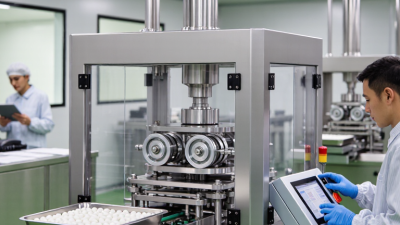
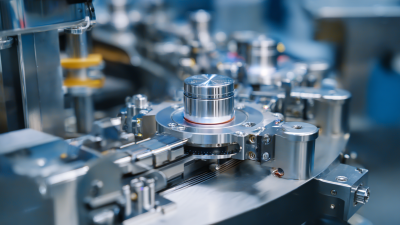
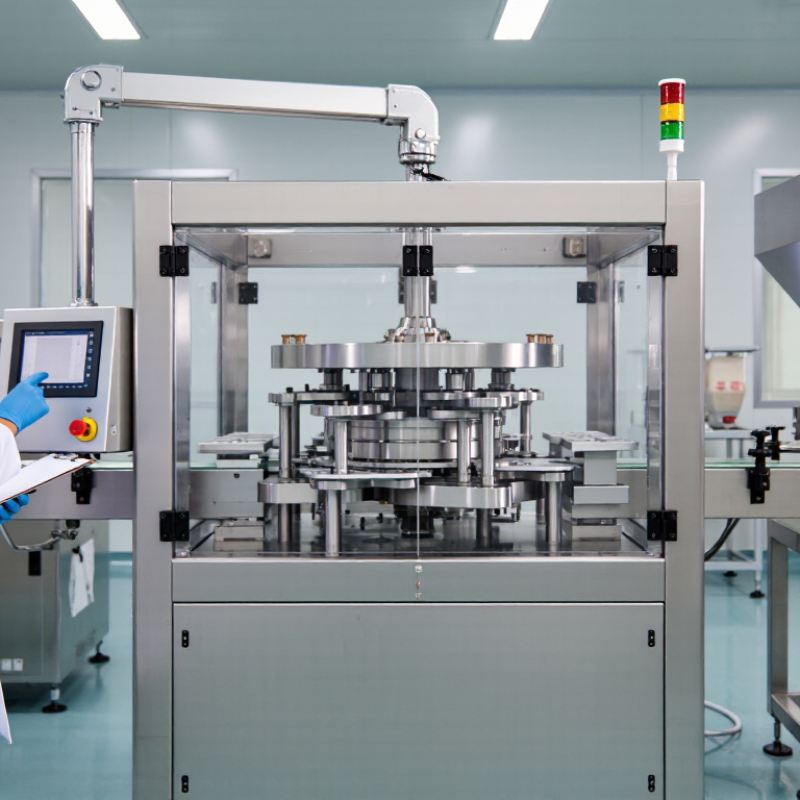
Tablet manufacturing equipment includes more than the press itself. A single-punch press forms one tablet per compression cycle, making it useful for small batches and formulation trials. A rotary press uses multiple punches and dies on a rotating turret, supporting higher output. It also demands steady powder flow and careful setup. Small changes in feeder speed can affect tablet weight.

Upstream machines prepare the blend for compression. A mixer distributes ingredients, while a granulator can improve powder flow and consistency. A dryer removes moisture when the process requires it, and a mill can reduce oversized particles. These steps are not interchangeable. For example, poorly flowing powder may cause uneven die filling, even with a capable press. A coating machine adds a surface layer when the product specification calls for one.

Match equipment to the material, tablet dimensions, batch size, and cleaning needs. Check whether tooling changes are practical and whether operators can inspect critical settings. Dust control and accessible contact surfaces matter during routine work. A larger press is not automatically better. That sounds obvious, yet output targets can distract from setup time and maintenance. Specifications also need testing with the intended formulation; supplier data alone may not predict performance on your production floor.

Defining Product, Capacity, and Production Requirements

Choosing a tablet manufacturing machine begins with the tablet, not the advertised output. Define its dimensions, shape, target weight, coating needs, and expected variation. Then consider material flow: a free-flowing blend behaves differently from a dusty, cohesive one. These details affect feeder design, tooling, and compression stability. A fast press cannot fix a poor formulation.

Set capacity from saleable tablets per shift, not the machine’s maximum rate. For example, a press rated at 100,000 tablets per hour would produce 560,000 in an eight-hour shift at an assumed 70% effective runtime. This is a planning calculation, not a guaranteed yield; cleaning, setup, rejects, and stoppages reduce output. The FDA’s 2011 Process Validation guidance emphasizes demonstrating consistent process performance, so include time for in-process checks and documented trials. A spreadsheet estimate is useful, but it is rarely the whole story.

Match the machine’s range to actual demand: batch size, changeover frequency, available operators, and room for future growth. Ask suppliers for test data using your own blend, tooling, and target tablet weight. Record compression force, weight variation, and reject rates during trials. I would revisit the capacity estimate after those tests; assumptions can look neat on paper and still miss a shift’s real constraints.

How to Choose the Best Tablet Manufacturing Machine

Define the product, capacity, and production requirements before comparing machine specifications.

Example planning scenario: required output is calculated as batch quantity divided by scheduled run time. Product A requires 30,000 tablets/hour; Products B and C each require 40,000 tablets/hour. These are scenario calculations, not machine ratings. When selecting a press, check its validated output for your tablet size, tooling, formulation, and quality requirements, and allow for setup and downtime.

Comparing Machine Features, Performance, and Compatibility

How to Choose the Best Tablet Manufacturing Machine

Comparing features starts with the tablets you need to make. Check their diameter, thickness, shape, and target weight against the machine’s tooling range. A press that accepts your current tooling may still limit future product changes. That matters. Examine the feeder design, compression-force controls, and options for monitoring tablet weight. These details affect consistency, not just the maximum number of tablets produced per hour. Not just speed.

Performance figures need context. Ask how output changes with different materials, tablet sizes, and production settings. A quoted top speed may not reflect steady operation during a full shift. Also compare setup time, cleaning access, and how quickly operators can change tooling. On a shop floor, awkward access around a feeder can turn routine cleaning into a longer task. I may be giving that detail too much weight, but it is easy to overlook in a brochure.

Compatibility reaches beyond the press itself. Check electrical requirements, available floor space, dust-control connections, and whether the machine fits your existing workflow. Review service intervals and the availability of technical documentation before comparing prices. Ask suppliers for test data using representative materials, then confirm how results were measured. A short trial can reveal feeding issues that a specification sheet misses. Keep the operating conditions with the test results; otherwise, the comparison may be misleading.

Assessing Quality Standards, Safety, and Technical Support

A tablet manufacturing machine should meet documented quality and safety requirements, not merely promise high output. Check whether its contact surfaces, guards, interlocks, and dust-control connections are clearly specified. ISO 9001 describes quality-management requirements, while ISO 12100 sets out machinery risk-assessment principles; neither certificate alone proves a machine suits your process. Ask for material certificates, calibration records, test protocols, and sample batch documentation. Small details matter. A clean, traceable handover is easier to verify than a polished sales claim.

Safety deserves practical testing. The U.S. Bureau of Labor Statistics reported 2.8 recordable cases per 100 full-time workers in manufacturing in its 2023 Survey of Occupational Injuries and Illnesses. This sector-wide figure is not specific to tablet equipment, but it reinforces the value of reviewing guarding, emergency stops, noise, and cleaning access. Ask suppliers to demonstrate safe changeovers and routine maintenance, then confirm operators can reach service points without awkward lifting. Ask for evidence. Technical support matters after installation: request written response times, spare-parts availability, training plans, and remote-diagnostic limits. A low purchase price can become costly when a small sensor fault stops production. I would still question any service promise that lacks named responsibilities and measurable targets.

Selecting a Machine Based on Cost and Long-Term Value

A tablet manufacturing machine should be judged by its total cost of ownership, not its purchase price alone. Compare tooling, installation, operator training, energy use, spare parts, and scheduled maintenance over the machine’s expected life. Downtime gets expensive.

The 2024 True Cost of Downtime report estimated that unplanned downtime cost the 500 largest companies about 11% of annual revenue, or $1.4 trillion worldwide. This is a broad industry estimate, not a tablet-machine benchmark, but it shows why service access and dependable parts matter.

Ask suppliers for documented output rates under realistic conditions, including changeovers and rejected tablets. Check how long routine adjustments take, whether common wear parts are readily available, and what the warranty excludes. A spreadsheet can still mislead: quoted capacity may assume ideal materials, skilled operators, and uninterrupted production.

Request a live acceptance test using your intended product and tooling, then compare energy consumption and maintenance needs alongside hourly output. A lower-cost machine may offer better long-term value if it meets your actual production needs with less downtime. That gap matters.

However, estimates remain estimates; actual maintenance costs can shift with workload, operator practice, and parts availability.