Essential Tips for Choosing Braided Copper Busbar for Your Needs?
When selecting a Braided Copper Busbar, it’s vital to understand your specific requirements. This component plays a crucial role in electrical systems. Its design ensures excellent conductivity and enhanced performance in power distribution.
Choosing the right busbar requires expertise and careful consideration. Various factors must be evaluated, including size, application, and environmental conditions. Not every braided copper option will meet your needs. It's important to rely on trusted suppliers who understand the intricacies involved.
Inadequate choices can lead to inefficiencies or failures. Reflecting on past experiences with busbars may help clarify what features matter most for your projects. Ensuring reliability and durability should always be a priority. A thorough assessment will guide you to the ideal Braided Copper Busbar for your specific applications.
Understanding the Basics of Braided Copper Busbars
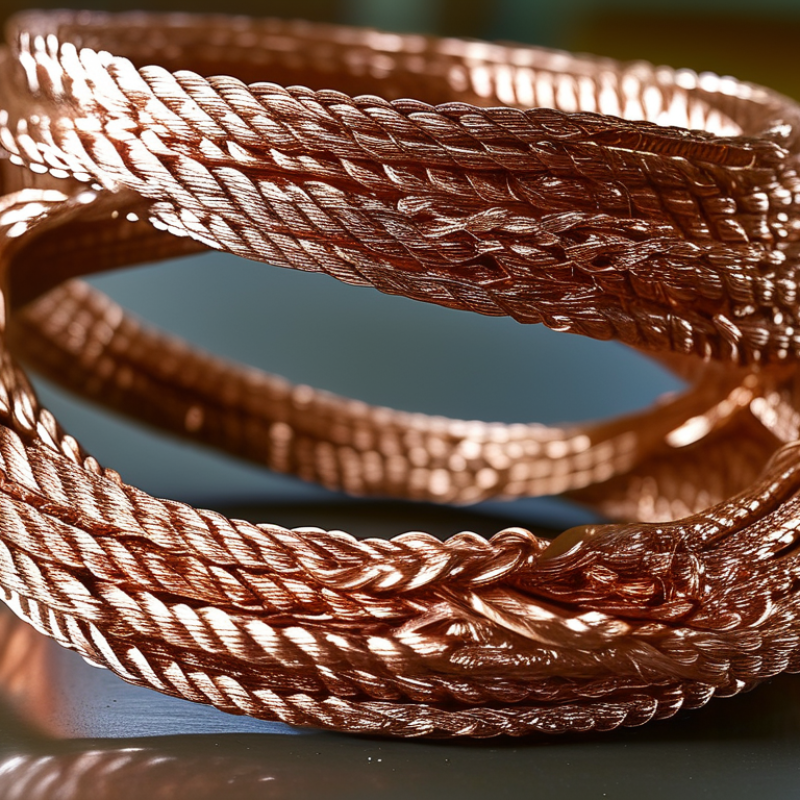
Braided copper busbars play a crucial role in electrical systems. Understanding their composition is vital. They are made of multiple strands of copper wire, which enhances conductivity. This structure allows for better flexibility and reduces the risk of breaking under stress.
When selecting a braided copper busbar, consider factors like current rating and temperature tolerance. A higher current rating means better performance. However, temperature limits can vary significantly. It's essential to choose a product that matches your specific operational environment. The busbar's size and shape are also important for installation in tight spaces.
Not all braided copper busbars are created equal. Some may have less soldering or poor-quality strands. This inconsistency can lead to overheating or failure. It's important to inspect the product's quality thoroughly. Relying only on price or availability might lead to poor choices. Seek reliable sources to obtain the best fit for your needs.
Key Factors to Consider in Selecting Braided Copper Busbars
When selecting braided copper busbars, several key factors deserve attention. First, consider the current rating. The busbar must handle the electrical load effectively without overheating. Insufficient current capacity can lead to failure, posing safety risks. Ensure that the specifications align with your application needs.
Another important aspect is flexibility. Braided copper busbars offer more flexibility than solid alternatives. This can be crucial in installations with limited space or complicated layout designs. However, too much flexibility may also hinder performance under certain conditions. Striking a balance here is essential.
Lastly, evaluate the surface finish. The surface condition influences the busbar’s conductivity and resistance to corrosion. Smooth surfaces typically provide better conductivity. However, some finishes may require special handling and maintenance. It’s vital to weigh the trade-offs between conductivity and durability. Always consider the specific environment where the busbar will operate.
Comparing Different Types of Braided Copper Busbars
When selecting a braided copper busbar, it's crucial to understand the various types available. Each type serves specific functions and environments. Some busbars are designed for high current capacities. Others are better suited for space-constrained applications. Choosing the right type can impact both performance and efficiency.
Braided copper busbars often come in different configurations, such as flat or round. Flat busbars generally provide better heat dissipation. This can be an advantage in high-temperature situations. Round busbars might be easier to handle and install, but they may lack efficiency in heat management. Evaluating the environment in which the busbar will operate is key.
Material quality is another essential factor. Not all copper is equal, and some braided options might contain impurities. This could lead to reduced conductivity. Moreover, considering the method of braiding can influence durability. Loose braids might be flexible but offer less strength. Tight braids can withstand mechanical stress but may be rigid. Assessing these differences will guide you in making an informed decision.
Comparison of Different Types of Braided Copper Busbars
This bar chart compares the current capacity in amps of different types of braided copper busbars. It showcases the varied performance levels of standard, flexible, high conductivity, and heavy-duty options, providing essential insights for selecting the most suitable busbar for specific electrical needs.
Evaluating the Performance and Durability of Busbars
When selecting braided copper busbars, performance and durability are key. These components are essential in electrical distribution systems. Research shows that copper's conductivity is significantly higher than aluminum, reaching around 97% IACS (International Annealed Copper Standard). This means superior electrical performance, reducing energy losses during transmission.
Durability is another crucial aspect. Busbars must withstand thermal and mechanical stresses. Data indicates that well-constructed copper busbars can last over 30 years in optimal conditions. However, external factors can accelerate deterioration. Corrosion due to environmental factors may decrease their lifespan. Regular maintenance is vital.
Choosing the right configuration of braided copper busbars can also influence performance. The design must consider load capacity and installation environment. A poorly designed busbar may lead to overheating or even failure. Balancing cost and quality, while keeping future needs in mind, is essential for long-term success.
Essential Tips for Choosing Braided Copper Busbar for Your Needs
| Parameter | Description | Importance | Recommended Value |
| Conductivity | The ability of the busbar to conduct electricity efficiently. | High conductivity reduces energy losses. | Minimum 98% IACS |
| Temperature Rating | The maximum temperature the busbar can tolerate without degrading. | Sufficient temperature rating ensures reliability. | Up to 90°C or higher for heavy loads |
| Mechanical Strength | Resistance to bending, fatigue, and stress. | High strength reduces the risk of failure during operation. | Minimum tensile strength of 210 MPa |
| Corrosion Resistance | Ability to withstand environmental factors without deteriorating. | Prevents failure in harsh environments. | Surface treatment recommended |
| Thickness | The thickness of the busbar impacts its current-carrying capacity. | Correct thickness ensures optimal performance. | At least 5 mm for most applications |
Cost Considerations for Braided Copper Busbar Selection
When selecting braided copper busbars, cost is a critical factor. Understanding the price fluctuations can help you make better choices. High-quality braided copper often comes with a higher price tag. However, cheaper options may sacrifice quality and performance. It's essential to find the right balance between cost and quality.
Consider thickness and length as cost influencers. Thicker busbars generally provide superior conductivity but are more expensive. Evaluate the specific requirements for your application to determine the optimal thickness. Shorter lengths may reduce costs, but be cautious. Insufficient length can lead to installation headaches and potential system losses.
Another consideration is the purchasing method. Bulk purchases can often reduce per-unit costs. Research suppliers to find reliable options that align with your budget. Look at the long-term implications of your investment. Sometimes spending more upfront saves money in maintenance and replacement down the road. Always reflect on what is essential for your needs.