


Top 10 Acrylic Jar With Lid Types for Wholesale Buyers
Acrylic Jar With Lid packaging has become a practical choice for skincare, cosmetics, candles, food samples, and small retail products. Its glass-like clarity creates shelf appeal, while its lighter weight can simplify handling and shipping. The Global Packaging Trends report by Smithers highlights continued demand for convenient, visually distinctive, and recyclable packaging formats. That demand is reshaping wholesale purchasing decisions.
Not every jar performs equally. Lid fit matters. Wall thickness matters. So does the surface finish. A loose cap can damage customer trust before the product is used. Wholesale buyers should examine closure security, material clarity, capacity accuracy, decoration quality, and carton protection. PMMI’s Packaging Compass reports emphasize automation, flexible packaging operations, and improved supply-chain efficiency. These priorities make consistent jar dimensions especially important for filling lines and bulk storage.
Small details matter.
Grand View Research also identifies rising interest in premium packaging presentation and sustainable material choices across consumer goods. Acrylic can support attractive designs, but buyers should avoid treating it as automatically sustainable. Material grade, reusability, production waste, and shipping distance require closer review. This guide presents the Top 10 Acrylic Jar With Lid types for wholesale buyers, comparing practical features rather than relying only on appearance. Some conclusions may change by market, product formula, or minimum order quantity. That uncertainty deserves attention. A jar that works beautifully for a thick cream may disappoint with a volatile liquid or a fragile label. Experienced sourcing teams test samples before approving large-volume orders.
What Acrylic Jars With Lids Are and Why Wholesale Buyers Choose Them
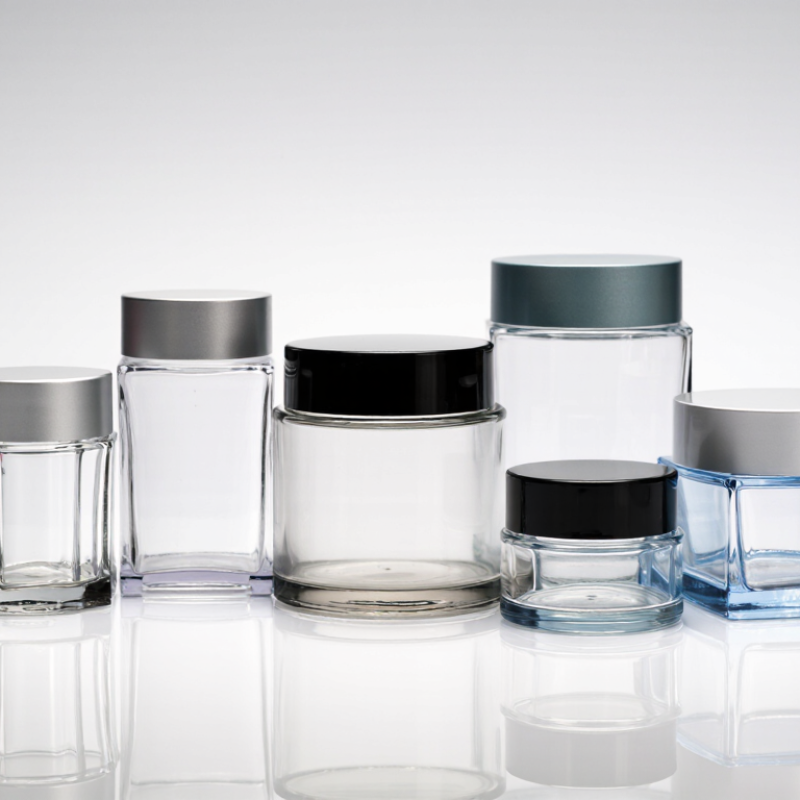
Acrylic jars with lids are lightweight containers made from clear, colored, or frosted acrylic plastic. They usually include screw-on, snap-fit, or hinged lids for practical storage. Unlike glass, acrylic resists shattering during handling and shipping. It also offers strong shelf visibility. The contents remain easy to see. This matters in busy retail displays.
Wholesale buyers choose these jars because they balance appearance, durability, and cost. Their lower weight can reduce carton handling and freight pressure. Buyers can select different capacities, mouth sizes, lid colors, and surface finishes. Wide openings help workers fill, clean, and inspect the containers efficiently. In my purchasing experience, small details often affect repeat orders. A lid that feels secure can improve customer confidence. A poor seal can create avoidable complaints.
Acrylic is not flawless. It can scratch during packing, attract dust through static, or change appearance under prolonged heat and sunlight. Wholesale teams should request samples before approving large quantities. They can check clarity, wall thickness, lid fit, odor, and resistance to expected contents. Compatibility testing is especially important for oily, acidic, or fragranced materials. Suppliers should also confirm production tolerances and protective packaging. Even then, some variation between batches may remain. That possibility deserves honest communication.
| No. | Acrylic Jar Type | Typical Capacity Range | Common Lid Style | Typical Product Applications | Main Wholesale Advantages | Transparency | Typical Decoration Options | Important Buying Considerations |
|---|---|---|---|---|---|---|---|---|
| 1 | Straight-Sided Cosmetic Jar | 5–100 mL | Screw-on or snap-fit lid | Face cream, body butter, masks, scrubs and balms | Efficient filling, stable stacking and a clean appearance on retail shelves | Clear to frosted | Screen printing, hot stamping, labeling and colored components | Check neck finish, inner liner compatibility and the usable fill volume |
| 2 | Double-Wall Acrylic Jar | 15–100 mL | Threaded outer lid with inner cover | Premium skincare, night cream, eye cream and gift sets | Layered construction creates a substantial look and helps protect the inner container | Clear, tinted or frosted | Metallic finishes, UV printing, silk screen and custom color matching | Confirm wall construction, closure fit and the added shipping weight |
| 3 | Airless Acrylic Jar | 15–50 mL | Pressure-operated pump lid | Serums, lotions, active creams and formulations sensitive to repeated air exposure | Controlled dispensing can reduce direct finger contact and product waste | Usually opaque or semi-opaque | Coating, labeling, printing and metallic decoration | Compatibility testing is essential because the pump must work with the formula viscosity |
| 4 | Wide-Mouth Acrylic Jar | 30–500 mL | Large threaded lid | Hair masks, body scrubs, bath salts, waxes and thick creams | Easy scooping and filling; suitable for dense or particulate products | Clear or translucent | Pressure-sensitive labels, direct printing and embossed or debossed details | Evaluate the opening diameter, sealing liner and resistance to oily formulas |
| 5 | Stackable Acrylic Jar | 10–250 mL | Flat lid with stacking shoulder | Travel skincare, sample collections, color cosmetics and salon products | Uses warehouse and display space efficiently and simplifies carton packing | Clear, frosted or colored | Printed lids, wraparound labels and coordinated component colors | Check stacking stability, lid-to-base alignment and carton compression strength |
| 6 | Sifter Acrylic Jar | 5–50 g | Threaded lid with sifter insert | Loose powder, mineral makeup, dry masks and powdered supplements | Supports controlled dispensing and separates the powder from the closure | Clear or translucent | Screen printing, labels and colored sifter assemblies | Confirm mesh opening size, powder flow and leakage resistance during transport |
| 7 | Acrylic Jar with Inner Seal | 15–250 mL | Outer screw lid with foil, PE or pressure-sensitive seal | Creams, food powders, personal-care products and products requiring tamper evidence | Provides an additional barrier against leakage, contamination and premature opening | Clear or opaque | Printed cap, body labeling and tamper-evident decoration | Specify seal material, application method and compatibility with the product formula |
| 8 | Mini Acrylic Jar | 1–15 mL | Small screw-on or snap-fit lid | Samples, trial kits, travel sizes, lip products and promotional sets | Low product fill requirement and convenient for sampling programs | Clear or frosted | Labels, one-color printing and colored lids | Inspect filling accuracy, small-part handling and closure usability |
| 9 | Heavy-Base Acrylic Jar | 30–300 mL | Threaded lid or decorative cap | Premium creams, candles, spa products and high-end gift packaging | Offers a glass-like visual weight while generally being lighter and more impact-resistant than glass | High clarity or tinted | Metal-effect coating, UV printing, screen printing and custom color | Account for increased material usage, freight weight and mold requirements |
| 10 | Refillable Acrylic Jar | 30–200 mL | Removable lid with replaceable inner cup | Refill skincare, solid cosmetics and reusable personal-care packaging | Supports repeat purchase programs and can reduce packaging waste when a refill system is used properly | Clear, tinted or opaque | Permanent body printing, removable labels and custom color components | Verify refill fit, seal performance, cleaning instructions and repeated-use durability |