How to Choose the Right Pharmaceutical Machinery?
Choosing pharmaceutical machinery is not simply a matter of comparing speeds or prices. The right equipment must suit the product, process, production scale, and quality goals. A tablet line, for example, may require accurate dosing, controlled compression, and reliable dust extraction. Liquid products bring different needs, including hygienic transfer, temperature control, and consistent filling. Small details matter.
Start by defining what the machine must handle: product characteristics, batch size, target output, and planned changeovers. Consider the materials that contact the product, how parts are cleaned, and how operators access routine maintenance points. These choices affect day-to-day performance, not just the purchase specification. Not just speed.
Reliable selection also means examining documentation, control systems, safety features, and supplier support. Ask for evidence from relevant applications, clear performance limits, and realistic installation and service plans. Confirm that the equipment can integrate with existing production steps and meet applicable quality and safety requirements. A polished demonstration is useful, but it cannot replace careful review of operating conditions.
There is no perfect machine, and that is worth admitting. Higher capacity may bring greater space, maintenance, or changeover demands. A lower-cost option may prove expensive if parts are difficult to obtain or cleaning takes longer than expected. Compare the full operating picture, involve production and quality staff, and leave room to revisit assumptions. The best pharmaceutical machinery is the equipment your team can operate consistently, maintain responsibly, and verify against the needs of the process.
Define Production Requirements and Product Specifications
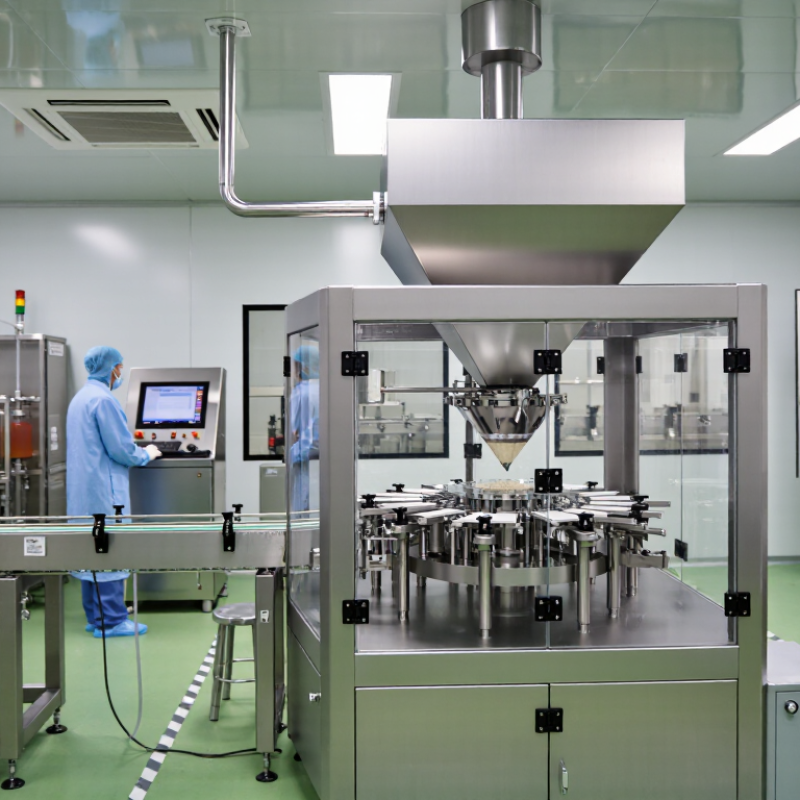
Choosing the right pharmaceutical machinery begins with a clear description of what you need to make. Specify dosage form, target batch size, output per hour, and acceptable variation. A tablet line and a liquid filling line have very different requirements. Record product details such as powder flow, liquid viscosity, temperature sensitivity, and whether ingredients may be abrasive. Small differences matter.
Then translate those details into measurable equipment requirements. Define fill or weight accuracy, operating speed, changeover time, cleaning method, and contact-material compatibility. Note available floor space, power, compressed air, and water connections. Ask suppliers to demonstrate performance using representative product, where practical, and document the test conditions. A brochure rating alone may not reflect real production. Teams sometimes underestimate cleaning and changeover time; it is worth checking those assumptions against actual routines.
Tips: Prepare a one-page product and process brief before comparing machines. Include expected demand, current process limits, and future capacity. Keep requirements specific, but leave room for technical review. A neat spreadsheet can still miss an awkward detail, such as a powder that bridges in a hopper. Revisit the specifications with production, quality, and maintenance staff before selecting equipment.
Map Each Manufacturing Step to the Required Machinery
Map Each Manufacturing Step to the Required Machinery
Choosing pharmaceutical machinery starts with the product and its process—not a catalog. For solid tablets, dispensing and weighing require calibrated scales and contained transfer equipment. Wet granulation may call for a granulator and fluid-bed dryer; blending needs a mixer suited to the batch size and powder behavior. Compression then requires a tablet press, while coating needs a pan or fluid-bed coater. Each handoff matters. A poorly matched dryer can leave uneven moisture, affecting flow and tablet consistency.
For capsules or liquids, the equipment path changes. Capsule fillers handle powder or pellets; liquid lines may require mixing vessels, pumps, and filling systems. Sterile products need equipment designed for controlled environments and validated cleaning. The FDA’s 2022 Drug Shortages Annual Report recorded 49 new drug shortages in the United States. That figure does not prove equipment causes shortages, but it underlines why dependable production capacity matters. Selection should also account for cleaning time, changeovers, maintenance access, and process monitoring—not just hourly output.
Tips: Map every step, including transfer and cleaning. Ask operators where powder sticks, seals wear, or changeovers run long. Test representative materials before purchase. Small trials can reveal awkward details. They may also challenge your original equipment plan.
Assess Capacity, Automation, and Facility Compatibility
How to Choose the Right Pharmaceutical Machinery?
Assess Capacity, Automation, and Facility Compatibility
A machine’s rated output is only a starting point. Compare it with realistic production needs, including batch size, changeover time, cleaning, and planned downtime. For example, a line that fills 60 bottles per minute may deliver less across a shift once inspections and format changes are included. Check both current demand and likely growth, but treat forecasts cautiously. They are often wrong.
Automation should fit the process and the people who will run it. Look for clear alarms, accessible controls, and records that help operators investigate a process interruption. More automation can improve repeatability, yet it may add maintenance needs and require specialized training. Ask technicians to review routine tasks, such as clearing a jam or changing a product-contact part. Small details matter.
Then measure the facility, not just the equipment footprint. Confirm door and corridor widths, floor loading, ceiling clearance, and access for maintenance. Check available power, compressed air, water, exhaust, and temperature control against the machine’s documented requirements. A unit may fit on a drawing but block a service panel in real life. Leave room for cleaning and safe movement, too. An early site walk with engineering and operations staff can reveal these awkward mismatches before installation.
How to Choose the Right Pharmaceutical Machinery? — Assess Capacity, Automation, and Facility Compatibility
Use working volume to shortlist equipment for laboratory, pilot, or production needs. These ranges are indicative planning bands, not universal standards; actual capacity depends on the process and product. Also check automation requirements, room clearance, utilities, cleaning access, and containment needs before selecting machinery.
Verify Compliance, Quality Controls, and Equipment Safety
How to Choose the Right Pharmaceutical Machinery?
Verify Compliance, Quality Controls, and Equipment Safety
A machine’s brochure cannot prove compliance. Ask for material certificates, calibration records, change-control history, and clear acceptance criteria. Check that product-contact surfaces are compatible with the process and can be cleaned and inspected. For automated systems, review access controls, audit trails, alarm logs, and backup procedures. Confirm that qualification protocols cover installation, operation, and performance under real production conditions. Paperwork matters. But records should match what operators actually do.
Safety deserves the same scrutiny as product quality. Look closely at guards, interlocks, emergency stops, pinch points, and access for cleaning. Can an operator reach a valve without leaning over hot surfaces? Small details matter. The U.S. Bureau of Labor Statistics reported 2.6 million nonfatal workplace injuries and illnesses in private industry in 2023, or 2.4 cases per 100 full-time workers. Its 2023 fatal-injury report counted 5,283 fatal work injuries across all U.S. industries; neither figure is specific to pharmaceutical manufacturing. These broad figures still underline why equipment risk assessments and practical operator training belong in procurement. Test it physically. A recurring weakness is assuming a signed checklist guarantees safe use; observe setup and cleaning, then question what the checklist misses.
Compare Suppliers, Maintenance Needs, and Total Lifecycle Costs
Choosing pharmaceutical machinery means comparing more than purchase prices. Ask each supplier for documented throughput, changeover times, utility requirements, and the conditions behind performance claims. Request sample records for installation, qualification, and operator training. These reveal how clearly the supplier supports the equipment after delivery. Look beyond the quote. A low initial price may exclude important services or parts.
Maintenance needs affect production schedules and product quality. Check recommended service intervals, calibration requirements, spare-parts availability, and typical response times. Ask who performs repairs and whether technicians can support your site remotely. For example, a delayed replacement seal or sensor can keep a line idle, even when the repair itself is simple. That matters. Confirm that maintenance instructions are practical for your team, not just complete on paper.
Estimate lifecycle costs over the machine’s expected service period. Include installation, validation support, energy, consumables, labor, planned downtime, software updates, and eventual refurbishment. Compare these estimates using the same assumptions for every supplier. Some costs are difficult to predict, and your forecast may be wrong; state that uncertainty rather than hiding it. A short trial with representative materials can expose cleaning or changeover difficulties before purchase. Record what was tested, what was excluded, and who will resolve open issues.